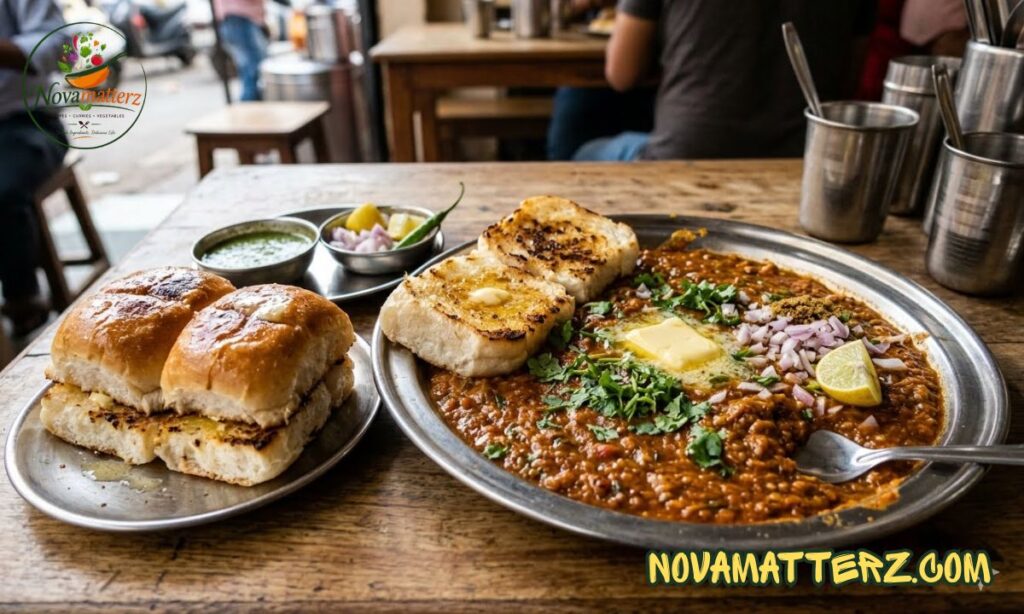
Pav Bhaji is one of Mumbai’s most iconic street foods. This buttery, spicy, and flavorful dish combines mashed vegetables cooked with aromatic spices and served with soft toasted pav buns. Originally created as a quick meal for textile workers in Mumbai, Pav Bhaji has now become one of the most loved Indian comfort foods across the world.
The rich tomato-based bhaji, generous butter, fresh coriander, onions, and lemon juice create an irresistible flavor combination. Whether served as an evening snack, dinner, or party food, Mumbai Style Pav Bhaji is always a crowd favorite.
If you have been searching for an authentic Pav Bhaji recipe with restaurant-style taste, this detailed guide will help you recreate the famous street-style flavor at home.
This Pav Bhaji recipe is
This Mumbai Style Pav Bhaji recipe is packed with flavor and incredibly satisfying. The bhaji has a smooth buttery texture with perfectly balanced spices and vibrant color.
The best part about homemade Pav Bhaji is that you can customize the spice level, butter quantity, and vegetables according to your preference.
This recipe is:
- Authentic Mumbai street-style
- Rich and buttery
- Easy to make at home
- Perfect for family dinners
- Great for parties and gatherings
- Loaded with vegetables
- Ready in under one hour
Unlike many restaurant versions, homemade Pav Bhaji allows you to control ingredients while still achieving the same bold street-food flavor.
How to make Pav Bhaji + Ingredients
The secret to good Pav Bhaji lies in using fresh vegetables, proper butter roasting, and quality pav bhaji masala.
Main Ingredients
| Ingredient | Purpose |
| Potatoes | Base texture |
| Cauliflower | Adds body |
| Green peas | Sweetness and texture |
| Capsicum | Signature flavor |
| Tomatoes | Tangy base |
| Onion | Richness |
| Butter | Authentic taste |
| Pav Bhaji Masala | Main spice flavor |
| Kashmiri Red Chilli | Color and mild heat |
| Ginger Garlic Paste | Aroma and depth |
Preparing the Vegetables
Start by boiling potatoes, cauliflower, peas, and carrots until soft. These vegetables are then mashed together to create the signature smooth bhaji texture.
In Mumbai street stalls, vendors use large flat tawas to mash vegetables directly while cooking. At home, you can use a potato masher for similar results.
Cooking the Bhaji
Heat butter in a large pan and sauté onions until soft. Add ginger garlic paste and cook until aromatic. Tomatoes are then added and cooked until completely soft and buttery.
Capsicum plays an important role because it gives Pav Bhaji its classic street-style flavor.
Once the masala base is ready, add pav bhaji masala, chilli powder, turmeric, and salt. The boiled vegetables are then mixed into the masala and mashed thoroughly.
Water is added gradually to achieve the perfect consistency. The bhaji should be thick yet spreadable.
Finally, extra butter, coriander leaves, and lemon juice are added for freshness and richness.
Toasting the Pav
The pav buns are lightly toasted with butter on a hot pan until golden and crisp outside while remaining soft inside.
Many street vendors also sprinkle pav bhaji masala on the pav while toasting for extra flavor.
Riya’s Top Tips to make Pav Bhaji
The flavor of Pav Bhaji depends heavily on technique and balance.
- Use plenty of butter if you want authentic Mumbai-style taste. Street vendors are generous with butter, which gives the bhaji its famous richness.
- Always use ripe red tomatoes because they create natural sweetness and bright color.
- Mash the vegetables thoroughly to create a smooth texture. Chunky bhaji does not taste like authentic street-style Pav Bhaji.
- Capsicum should not be skipped because it adds a unique flavor that defines this dish.
- Cook the bhaji on low heat after adding spices. Slow cooking helps the flavors blend beautifully.
- Adding a small cube of butter at the end enhances aroma and gives the bhaji a glossy finish.
- Fresh coriander and lemon juice should always be added just before serving to brighten the flavor.
Serving Suggestions
Pav Bhaji is best served hot directly from the pan.
Traditionally, it is served with:
- Butter-toasted pav
- Finely chopped onions
- Lemon wedges
- Fresh coriander
- Extra butter on top
Some people also enjoy serving Pav Bhaji with:
- Masala papad
- Buttermilk
- Cold drinks
- Green chutney
- Cheese topping
Cheese Pav Bhaji has become especially popular in modern restaurants and cafes.
Watch the Recipe Video
Recipe videos are extremely useful for beginners because they help visualize the consistency, texture, and cooking process.
Watching a Pav Bhaji recipe video can help you understand:
- Proper vegetable texture
- Bhaji consistency
- Butter quantity
- Pav roasting technique
- Correct spice balance
Most home cooks find it easier to recreate restaurant-style results after watching the cooking process.
Pav Bhaji – Mumbai Style
Mumbai Style Pav Bhaji is known for its vibrant red-orange color, buttery aroma, and smooth mashed texture.
Unlike simple vegetable curry, Pav Bhaji has a bold spicy flavor that comes from:
- Butter roasting
- Pav bhaji masala
- Tomato-onion base
- Slow cooking
- Proper mashing technique
Street vendors often continuously mash and roast the bhaji on giant tawas, which intensifies flavor even further.
This dish became popular because it was affordable, filling, and quick to serve. Today, it remains one of Mumbai’s most iconic street foods.
Ingredients 1x2x3x
For the Bhaji
| Ingredient | 1x |
| Potatoes | 3 medium |
| Cauliflower | 1 cup |
| Green peas | ½ cup |
| Carrot | 1 small |
| Onion | 2 medium |
| Tomatoes | 4 large |
| Capsicum | 1 medium |
| Butter | 4 tablespoons |
| Ginger garlic paste | 1 tablespoon |
| Pav bhaji masala | 2 tablespoons |
| Kashmiri chilli powder | 1 teaspoon |
| Turmeric powder | ¼ teaspoon |
| Salt | To taste |
| Water | As needed |
| Coriander leaves | For garnish |
| Lemon juice | 1 tablespoon |
For the Pav
| Ingredient | Quantity |
| Pav buns | 8 |
| Butter | 2 tablespoons |
| Pav bhaji masala | Optional |
Instructions
Boil potatoes, cauliflower, peas, and carrots until soft. Mash them well and keep aside.
Heat butter in a large pan. Add onions and sauté until translucent. Add ginger garlic paste and cook for one minute.
Add chopped tomatoes and cook until soft and mushy. Add capsicum and sauté briefly.
Mix in pav bhaji masala, chilli powder, turmeric, and salt. Cook the spices for a minute before adding the mashed vegetables.
Mash everything together while cooking. Add water gradually to achieve a thick yet smooth consistency.
Let the bhaji simmer for 10–15 minutes so the flavors develop properly.
- Finish with butter, coriander leaves, and lemon juice.
- Toast pav buns with butter on a separate pan until golden.
- Serve hot with onions, lemon wedges, and extra butter.
Notes
Using homemade pav bhaji masala can improve flavor significantly. If the bhaji becomes too thick, add warm water while simmering.
- For restaurant-style color, Kashmiri red chilli powder works better than regular chilli powder.
- You can also add beetroot in small quantity for natural color enhancement.
- Leftover bhaji tastes even better the next day because the spices deepen overnight.
Nutrition
Pav Bhaji contains a good mix of vegetables, carbohydrates, and fats. Potatoes provide energy, while peas and cauliflower add fiber and nutrients.
Approximate nutrition per serving:
| Nutrient | Value |
| Calories | 320–380 |
| Carbohydrates | Moderate |
| Protein | Moderate |
| Fat | Medium to High |
| Fiber | Good |
| Vitamin C | High |
Using less butter can reduce calories if desired.
Conclusion
Pav Bhaji is more than just a street food dish—it is a symbol of Mumbai’s vibrant food culture. The buttery mashed vegetable curry paired with toasted pav creates one of the most comforting and satisfying Indian meals.
This Mumbai Style Pav Bhaji recipe delivers authentic street-style flavor with rich spices, buttery texture, and restaurant-quality taste. Whether you make it for dinner, parties, family gatherings, or weekend cravings, Pav Bhaji always brings warmth and excitement to the table.
Once you try homemade Pav Bhaji with fresh butter-toasted pav, it is hard to go back to ordinary fast food.
Frequently Asked Questions
What makes Mumbai Style Pav Bhaji different?
Mumbai Style Pav Bhaji is extra buttery, smooth, spicy, and cooked with authentic pav bhaji masala.
Can I make Pav Bhaji without butter?
Yes, but butter gives the dish its signature street-style flavor and richness.
Which vegetables are best for Pav Bhaji?
Potatoes, cauliflower, peas, carrots, and capsicum are most commonly used.
Why is my Pav Bhaji not red in color?
Using Kashmiri red chilli powder and ripe tomatoes helps achieve vibrant color naturally.
Can Pav Bhaji be made ahead of time?
Yes, the bhaji often tastes even better the next day after flavors develop further.
Is Pav Bhaji spicy?
Traditional Mumbai Pav Bhaji has moderate spice, but you can adjust chilli levels according to taste.

Discover easy recipes, spicy curries, and fresh vegetable dishes by Riya on Novamatterz.com. Simple cooking for everyday delicious meals.